Teaching Overseas: What to Expect and How Best to Adapt
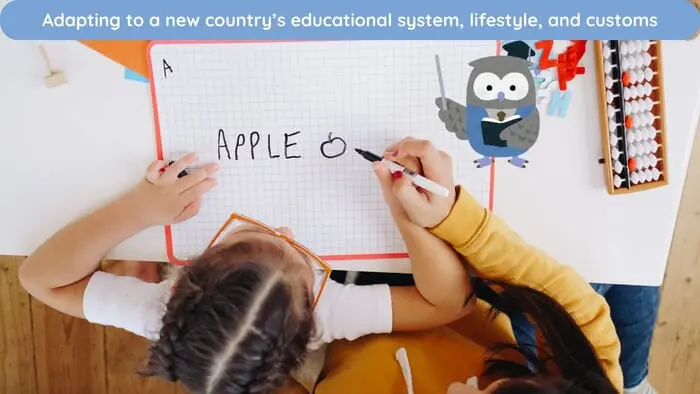
Teaching abroad is a life-changing experience that offers professional growth, cultural enrichment, and the chance to make a lasting impact on students. However, adapting to a new country’s educational system, lifestyle, and customs can be both exciting and challenging.
Whether you’re moving abroad to teach English as a foreign language (TEFL), working at an international school, or tutoring privately for high-net-worth families, there’s a lot to consider. From cultural expectations to legal requirements, successful adaptation requires an open mind, flexibility, and preparation.
In this guide, we’ll explore what to expect when teaching overseas and provide insightful strategies to help you thrive in your new environment.
For real-life insights into teaching abroad, check out Teaching TEFL in Korea: An Interview with an Educator.
Adjusting to Cultural Differences

The Classroom Culture Shock
One of the biggest adjustments teachers face when moving abroad is the difference in classroom culture. What’s considered normal in one country may be completely foreign in another. In some cultures, students are encouraged to ask questions and engage in discussions, whereas in others, education is more teacher-centered, with students expected to listen and absorb information without much interaction. For example, teachers in Japan may notice that students hesitate to speak up due to cultural values of humility and group harmony.
Adapting to these differences requires patience and a willingness to observe and learn from local educators. Instead of imposing your own teaching style immediately, take the time to understand the dynamics of the classroom. Build relationships with fellow teachers and ask them about best practices for engaging students within that specific cultural framework.
Understanding Work Expectations & Teaching Styles

Different Education Systems, Different Expectations
International teaching jobs vary widely in curriculum, assessment methods, and work expectations. Schools in Finland, for instance, emphasize play-based learning and discourage standardized testing, while schools in China focus on rigorous academics and structured discipline.
It’s essential to research the country’s educational philosophy before arriving. Many teachers moving abroad for the first time may find that their role goes beyond just delivering lessons; they may also be expected to mentor students, contribute to extracurricular programs, or help with administrative duties.
To adapt successfully:
- Attend teacher orientation programs and observe how local educators run their classrooms.
- Be open to adjusting your lesson plans to fit the local curriculum.
- Find a mentor teacher who can guide you through the school’s expectations and policies.
A great resource to explore global teaching trends is Education International, which provides updates on global education policies and best practices.
Handling Language Barriers

Overcoming the Communication Gap
For teachers moving to a non-English-speaking country, language barriers can be one of the biggest challenges. While international schools may operate in English, day-to-day interactions with colleagues, students’ parents, and locals may require at least basic language skills.
To adapt more easily:
- Learn key phrases in the local language before you arrive. Apps like Duolingo or Rosetta Stone can be helpful.
- Use gestures, visuals, and realia (physical objects) to aid communication in the classroom.
- Encourage students to express themselves even if they make mistakes—a supportive learning environment is key.
- Consider enrolling in language exchange programs to improve your skills while making local friends.
For more insights, BBC Languages offers excellent free resources to start learning a new language.
Managing Homesickness & Culture Shock

The Emotional Side of Teaching Abroad
It’s common for new teachers to experience culture shock and homesickness, particularly during the first few months. The excitement of moving to a new country can be quickly overshadowed by feelings of loneliness, frustration, or confusion.
To combat culture shock:
- Stay connected with loved ones through video calls, but also immerse yourself in local culture to make new connections.
- Find expat teacher communities on platforms like Meetup and Facebook Groups.
- Establish routines that incorporate familiar activities (such as morning coffee at a café, going to the gym, or keeping a journal).
- Be patient with yourself—it takes time to adjust.
For guidance on adjusting to a new culture, read The Expat Survival Guide, which offers practical tips for settling into a foreign country.
Navigating Work Visas & Legal Requirements

Avoiding Legal Pitfalls
Each country has specific visa and work permit requirements for foreign teachers. Some employers handle visa sponsorship, while others require teachers to apply independently. Not understanding legal requirements can result in visa delays, fines, or even deportation.
To ensure compliance:
- Research visa policies on the official embassy or government website of your destination country.
- Speak to other teachers in expat forums to understand the application process and any potential red flags.
- If unsure, seek advice from Immigration Direct, which provides guidance on visa and work permit applications worldwide.
Final Thoughts
Teaching overseas is a transformational experience that allows educators to develop cultural awareness, adaptability, and professional skills. While challenges like culture shock, language barriers, and legal procedures may arise, staying informed and open-minded will help you navigate them successfully.
By immersing yourself in the local culture, seeking support networks, and continuously learning, you’ll not only become a better teacher but also gain invaluable life experiences. Whether you’re teaching in Europe, Asia, the Middle East, or Latin America, every destination offers its own unique rewards and opportunities.
Read about the 7 Top Languages Nannies and Tutors Should Teach Their Charges
If you’re ready to start your journey, explore Jobs in Childcare for exciting teaching and tutoring positions worldwide!