Early Language Learning & Lesson Planning Tips for Nannies and Tutors Working With VIP Families
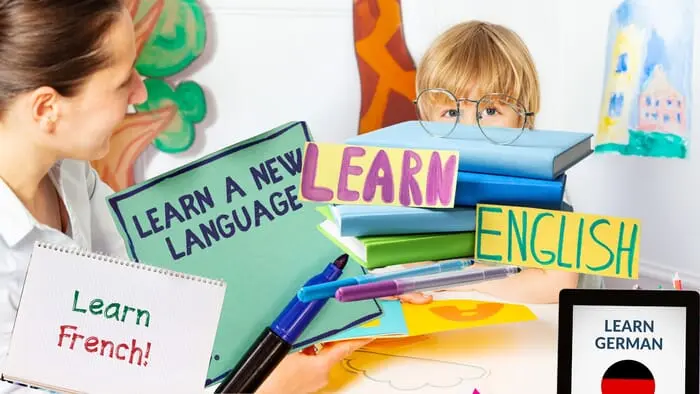
In elite childcare roles, you're expected to offer more than nurturing care: you’re also entrusted with shaping a child’s future. For VIP and UHNW families, that often means delivering high-level early education, including language development and multilingual fluency.
For seasoned private tutors or nannies and governesses looking to specialize in educational enrichment, building linguistic diversity through intentional teaching methods is one of the most valuable skills you can offer.
This guide walks you through effective early language learning techniques and shows you how to design engaging, age-appropriate lesson plans that fit seamlessly into the lifestyle of global, multilingual households.
Why Language Learning Is Essential in VIP Households
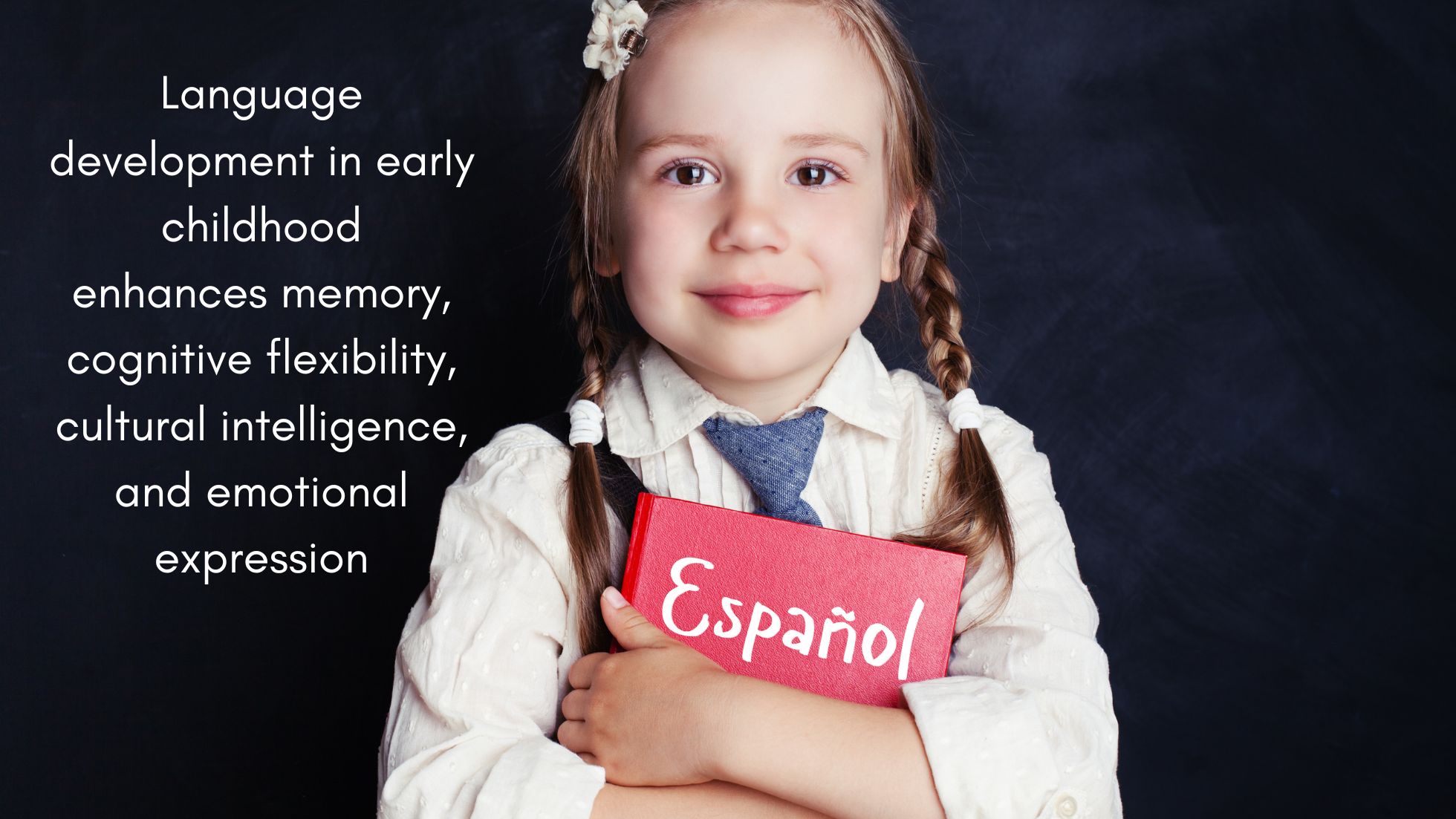
Language development in early childhood isn't just about communication. It directly enhances memory, cognitive flexibility, cultural intelligence, and emotional expression—all essential qualities that VIP families want to foster, especially if the child will travel, study, or live across multiple countries.
As a nanny, governess, or tutor, being able to support bilingual or trilingual development positions you as a highly desirable candidate.
To ensure your professional skills shine, see Creating a Personal Portfolio: How to Showcase Your Expertise to VIP Clients
1. Build a Language-Rich Home Environment
Creating a space where language is constantly absorbed through interaction is your foundation.
Use:
- Labeled household objects in multiple languages
- Daily routines as vocabulary builders (e.g., describing actions during bath time)
- Books, songs, and audiobooks in two or more languages
- Conversations that invite curiosity, such as asking questions about the world in different tongues
Explore more tips on how to stay updated in child development trends
2. Use the OPOL Method (One Person, One Language)
In many multilingual households, consistency is key. The OPOL method, where each caregiver uses a specific language, helps the child distinguish and internalize each one without confusion.
For example:
- A French-speaking nanny consistently speaks French.
- Parents might speak English or Mandarin depending on their backgrounds.
Before implementing this method, align with the family's preferences and overall goals.
For more insights into working in high-net-worth homes, read about The Pros & Cons of Being a Rota Nanny
3. Turn Play Into Language Practice
Children absorb language most effectively when learning is fun.
Try these play-based learning techniques that engage both body and mind:
- Roleplay and puppet shows to teach sentence structures
- Story cubes and drawing prompts to encourage vocabulary use
- Action songs and musical games for younger learners
Avoid forcing drills and instead, incorporate natural learning through joy and creativity.
Read about how you can teach emotional intelligence through play: 5 Fun Games That Help Kids Express Feelings
4. Sync Language Learning With the Family’s Lifestyle
VIP families often travel, host international guests, or employ staff from diverse backgrounds.
Support language continuity by aligning your instruction with these experiences:
- Teach travel vocabulary before trips abroad
- Prepare cultural lesson tie-ins (e.g., cooking a traditional meal while learning related words)
- Build on school curricula if children attend international schools
Want to elevate your childcare approach? Explore: Fun & Educational Science Experiments You Can Do at Home
5. Be a Role Model for Multilingual Curiosity
When you show passion for languages, children are more likely to mirror it.
Set an example through:
- Reading bilingual storybooks with enthusiasm
- Modeling new vocabulary acquisition and pronunciation
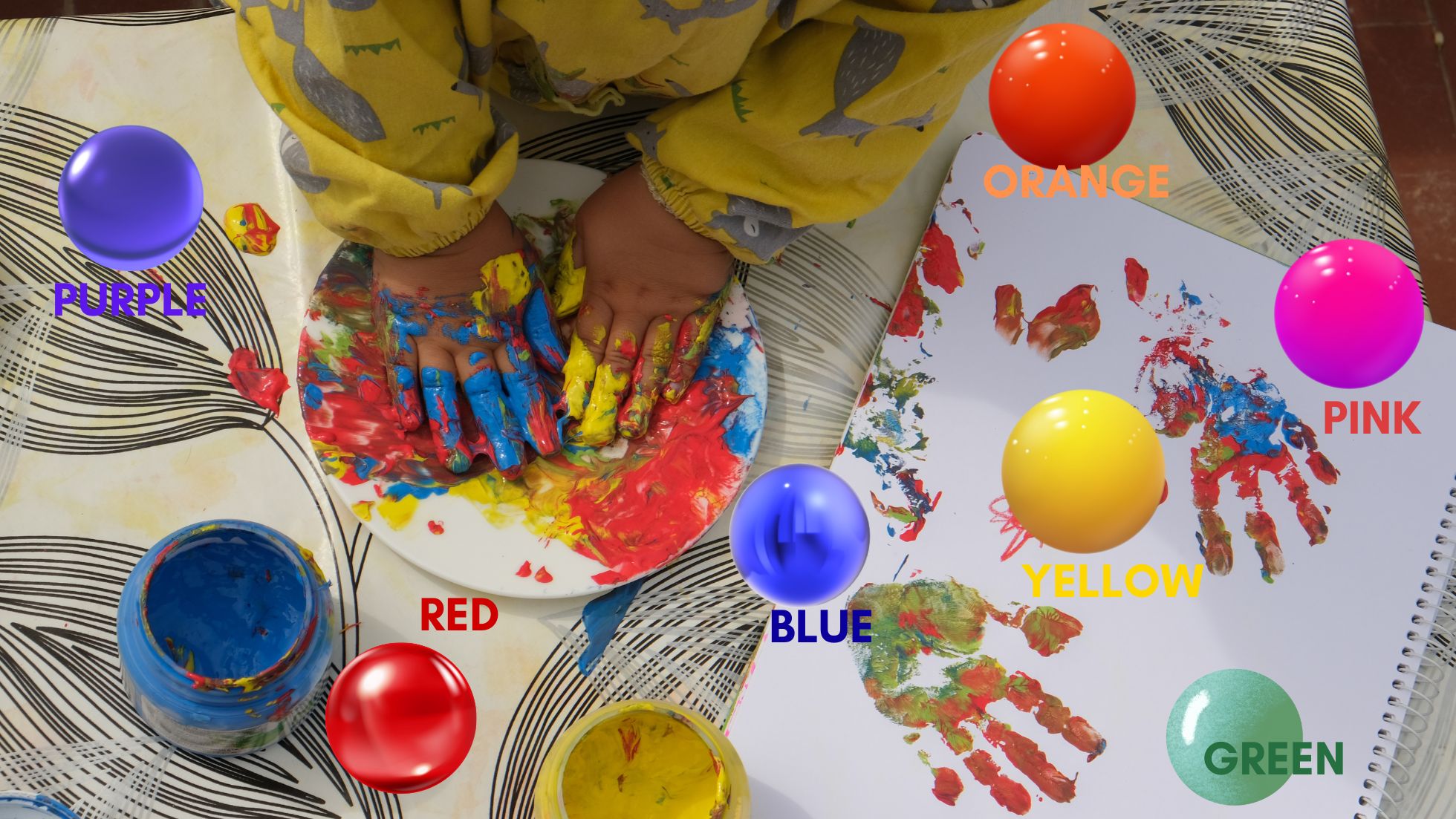
- Using visual aids like emotion charts, calendars, or flashcards
Celebrate progress rather than perfection so it builds confidence and trust.
Explore kid-friendly stories that are educational and fun: 5 books every nanny should read to their children.
6. Share Progress Through Thoughtful Communication
Families investing in elite childcare want to know how their child is growing.
Offer detailed, professional updates such as:
- Monthly progress reports highlighting new vocabulary and skills
- Notes on any language mixing or challenges
- Audio or video clips of the child speaking in different languages
- Personalized suggestions for reinforcing skills at home
Download a Language Learning Progress Tracker to simplify documentation.
Pro-tip: How to Document Child Progress Professionally (And Impress UHNW Families)
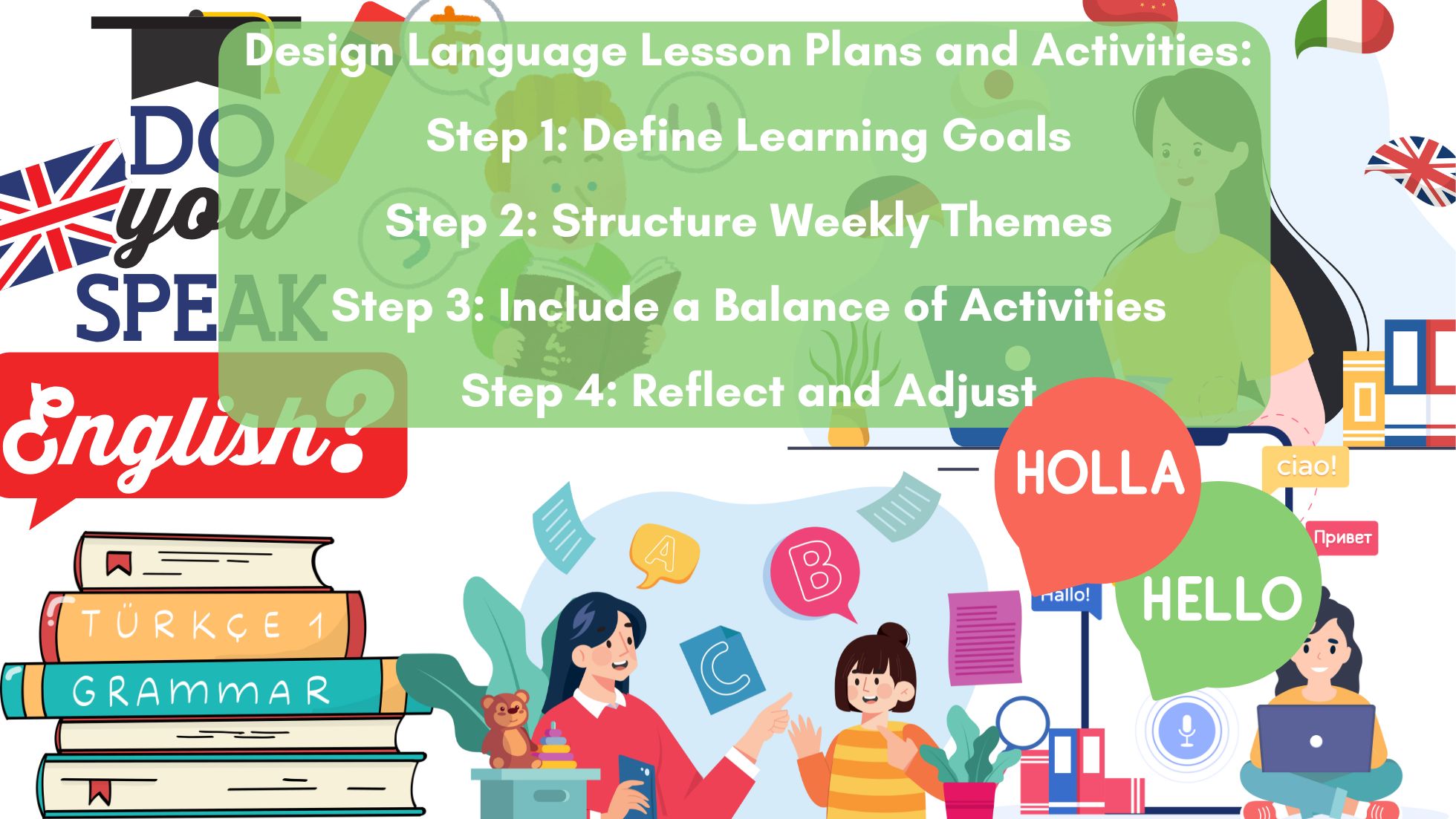
7. How to Design Language Lesson Plans and Activities
Once you've embedded language learning into everyday life, structured lesson planning ensures consistency and growth. This is where you shift from casual reinforcement to intentional instruction—a hallmark of premium private educators.
Step 1: Define Learning Goals
Clarify what success looks like:
-
"Learn 10 new vocabulary words per week"
-
"Respond to basic questions in the second language"
-
"Retell simple stories with picture cues"
Keep it measurable but adaptable based on age and exposure.
Step 2: Structure Weekly Themes
Planning around weekly or biweekly themes keeps lessons engaging. For example:
-
“In the Garden” – Learn plant names and outdoor verbs
-
“All About Me” – Focus on family, body parts, emotions
-
“Going Shopping” – Currency, items, dialogue for buying things
Each theme should target listening, speaking, reading, and writing—on the child’s level.
Explore How to Keep Growing When You’re Already Great: Master‑Level Nanny Skills
Step 3: Include a Balance of Activities
Variety is critical to avoid boredom or burnout:
-
Circle time vocabulary
-
Songs and chants with movement
-
Flashcard games and object-matching tasks
-
Storytelling with visuals or props
-
Simple writing tasks (for ages 4+) like labeling or copying
Create a rhythm that blends calm, focused time with energy-releasing segments.
Read: How to Create a Daily Routine That Balances Learning, Fun, and Rest
Step 4: Reflect and Adjust
Track which methods worked and what needs improvement. Maintain a language journal to log:
-
What was taught
-
What the child enjoyed
-
Any noticeable improvements or difficulties
Optional: Build a language portfolio with voice recordings, art, word lists, and worksheets to showcase the child’s progress.
For tips on maintaining professionalism under pressure, check out: How Nannies Can Avoid Burnout When Working for Demanding Families.
Final Thoughts: You’re Not Just Teaching Words. You’re Building Global Citizens
Nurturing language skills in early childhood is one of the most profound gifts you can give. In VIP homes, your influence shapes not only fluency but also identity, confidence, and global perspective.
By combining immersive exposure, emotional engagement, and structured planning, you’ll set yourself apart as a top-tier childcare professional. The kind that discerning families truly value.
Need to update your resume? See Nanny CV Tips to make sure your professional skills shine on paper too.
Sign up here and see all the amazing job opportunities for multilingual nannies, private language tutors, and early childhood educators in luxury households around the world.