How to Organise a Kitchen Inventory for Seamless Day-to-Day Cooking

A well-organised kitchen inventory is the quiet engine behind a smooth-running household. More so in high-profile environments where gourmet meals, children’s snacks, and last-minute entertaining can all happen within the same hour.
When the kitchen runs like a luxury hotel back-of-house, the entire home feels calmer, cleaner, and more elegant. When it doesn’t, even boiling an egg starts to feel like an episode of “Survivor”.
Organising a kitchen inventory is less about alphabetising spice jars (though we respect that level of zeal) and more about implementing systems that make daily cooking intuitive, fast, and efficient for the housekeeper, the nanny, the chef, or anyone who sets foot in the culinary command space.
This guide shows you how to build and maintain a masterful kitchen inventory, with practical tips VIP or UHNW households value most: orderliness, foresight, and discretion.
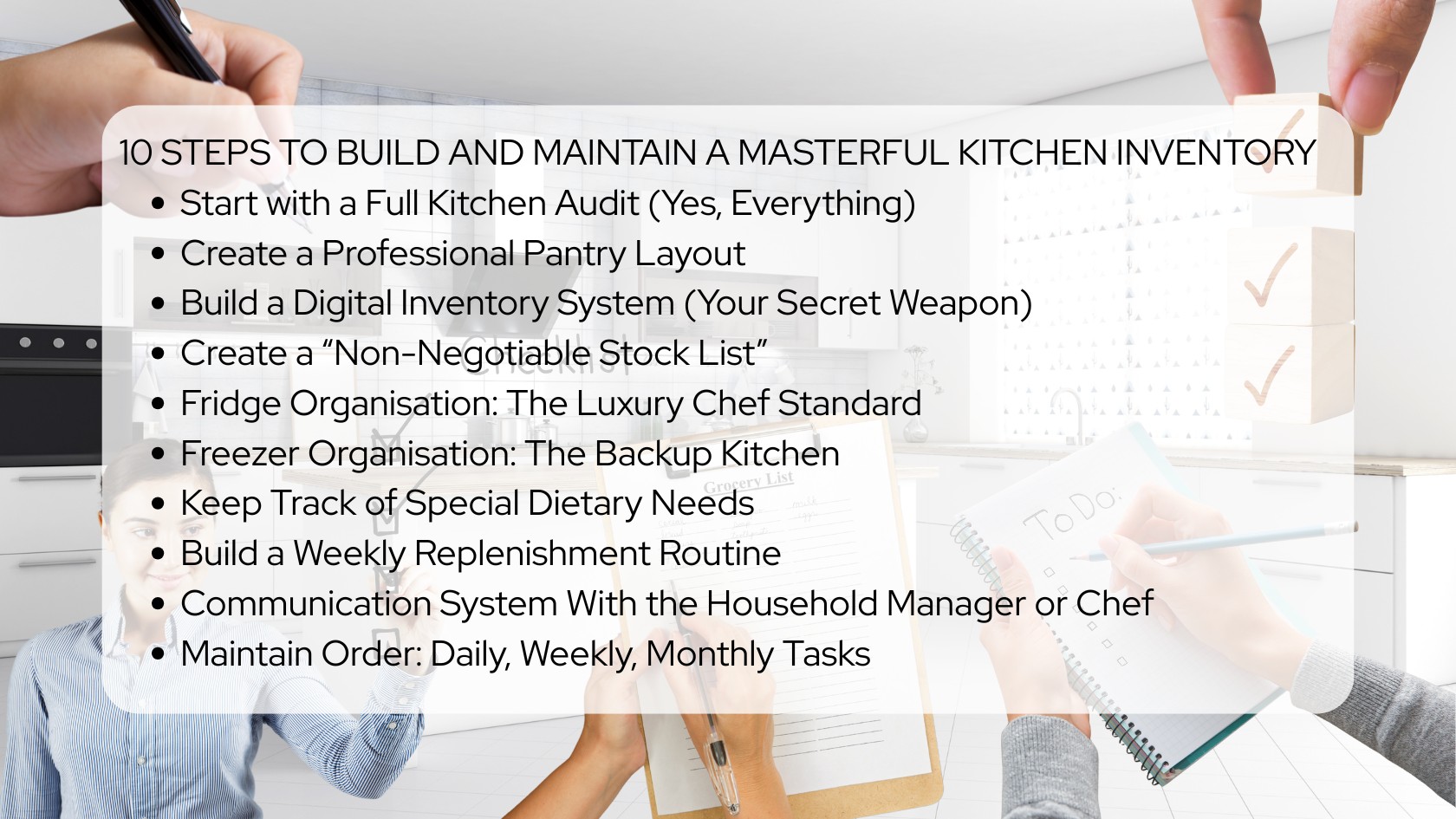
1. Start with a Full Kitchen Audit (Yes, Everything)
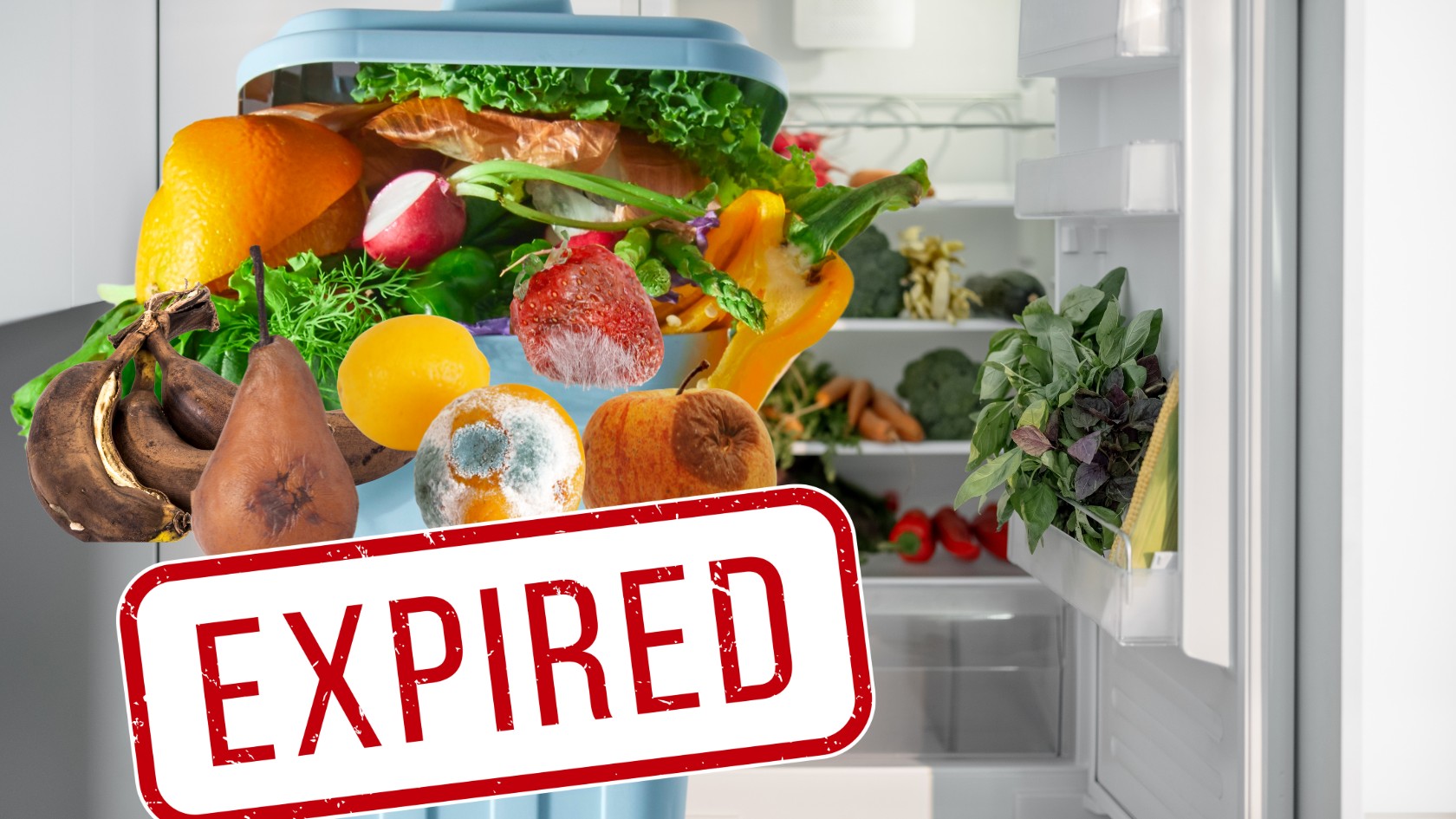
Before you can organise anything, you have to face what’s actually lurking in the cupboards.
Step 1: Empty Each Category
Remove pantry goods, spices, fridge contents, freezer items, cookware, and cleaning products.
This will feel chaotic for about 45 minutes, then deeply satisfying.
Step 2: Discard Ruthlessly
VIP homes often accumulate beautiful but forgotten ingredients. Remove:
-
Expired goods
-
Duplicates
-
Spices older than two years
-
Items no one likes but keeps “just in case”
-
Opened jars with mysterious origins
Step 3: Group Items by Use
Think culinary stations, not random storage:
-
Breakfast items
-
Baking supplies
-
Kids’ snacks
-
Asian cuisine
-
Mediterranean staples
-
Healthy snacks
-
Entertaining platters & luxury treats
Set aside anything used specifically for children's meals, especially if the nanny manages child cooking duties.
For meal ideas that often appear in well-stocked kitchens, see Mastering Mealtime: How to Get Picky Eaters to Try New Foods.
2. Create a Professional Pantry Layout
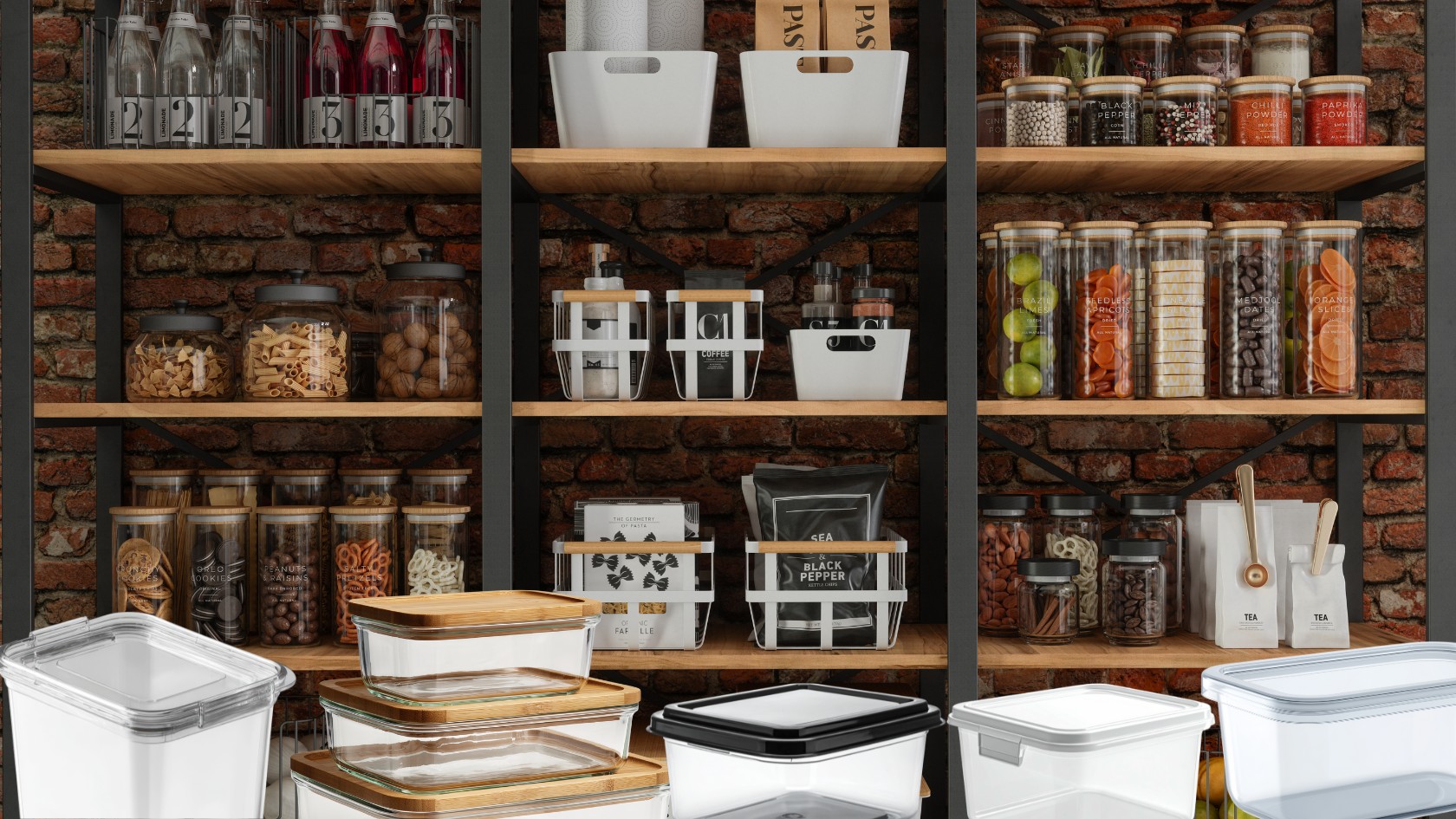
A good pantry layout is a work of art: simple, functional, and elegant.
The goal: one glance should tell you everything you need.
Clear Containers Are Your Best Friend
Decant dry goods into:
-
Glass jars
-
Large acrylic containers
-
Airtight bamboo-lid canisters
Label everything clearly. UHNW homes love sleek uniformity (and you avoid guessing which jar contains quinoa vs. birdseed).
Shelf Zoning
Organise shelves by category and frequency of use:
-
Eye level: Everyday essentials
-
Lower shelves: Heavier or bulky items
-
Higher shelves: Baking tools, slow cookers, infrequently used gadgets
Snack Zone for Kids
Use baskets labelled:
-
“After-school snacks”
-
“Healthy snacks”
-
“Lunchbox items”
This keeps chaos down and prevents children from raiding the very expensive truffle almonds by accident.
For more child-management tips, you might enjoy How to Encourage Independent Play—useful to avoid little hands wandering into the pantry.
3. Build a Digital Inventory System (Your Secret Weapon)
Choose a System
-
Google Sheets (easy, shareable)
-
Airtable (slick, filterable, VIP-friendly)
-
Pantry apps (like CozZo or Sortly)
Track Key Details
Your inventory should include:
-
Item name
-
Category
-
Quantity
-
Expiry date
-
Storage location
-
Notes (e.g., “Only brand Madam prefers”)
Colour Coding
-
Red: low stock
-
Orange: expiry approaching
-
Green: fully stocked
This makes it visually intuitive—pressing “print” gives you an on-the-spot shopping list.
For more insight into staying organized, read Top Tools and Time-Saving Tips

4. Create a “Non-Negotiable Stock List”
VIP homes rely on consistency. Identify daily essentials that must never run out.
Examples of Non-Negotiables:
-
Fresh berries
-
Bottled still & sparkling water
-
Specific children's yoghurts
-
Fresh herbs
-
Almond milk / Oat milk
-
Preferred olive oil brand
-
San Pellegrino (or the carbonated preference of the household)
Display this list on the inside of a pantry door or keep it digitally shared with the house manager and chef.
To further impress your VIP employers, gain more skill here How to Document Child Progress Professionally
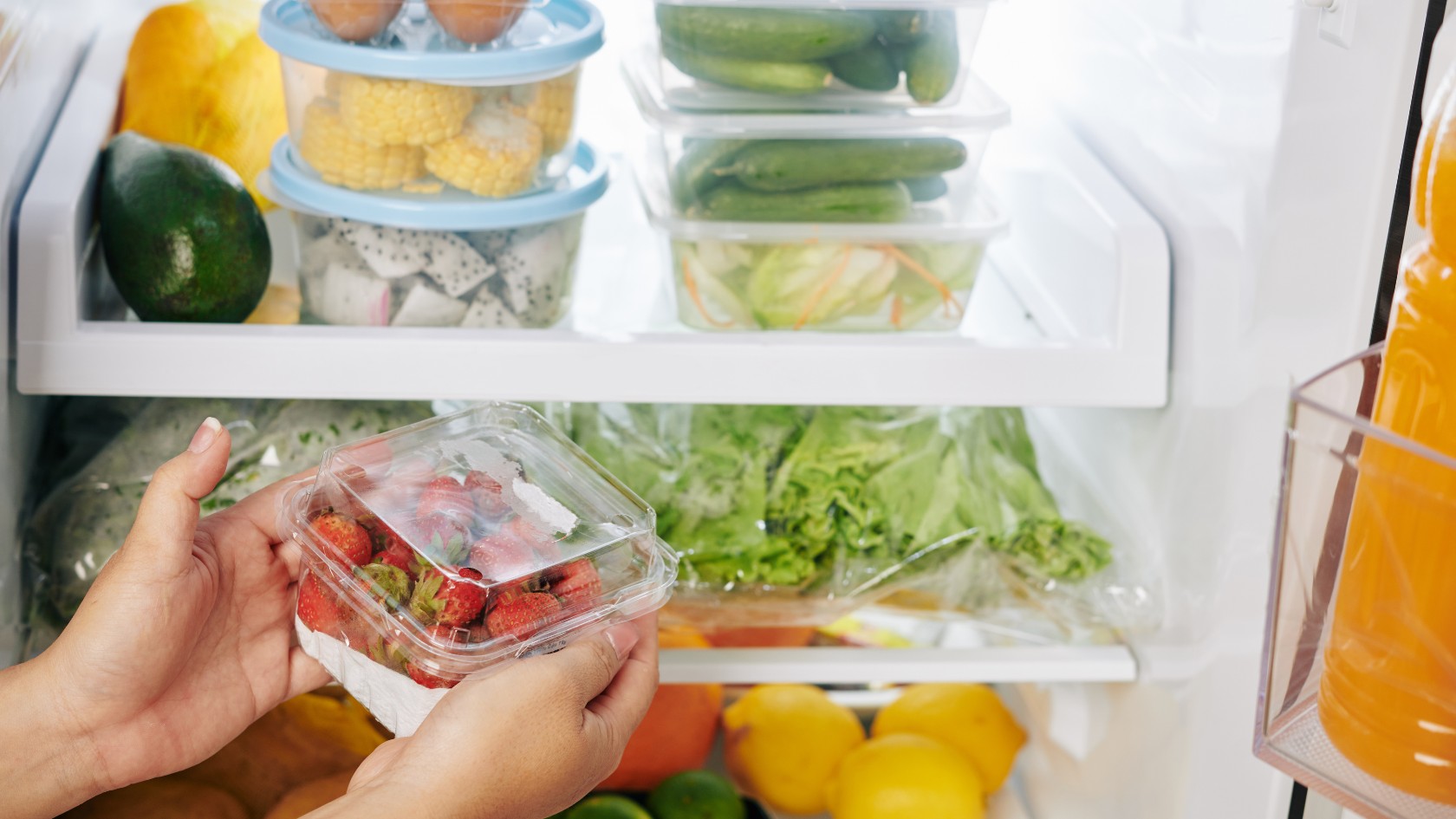
5. Fridge Organisation: The Luxury Chef Standard
A perfectly organised fridge looks like it could star in a Netflix reality show.
Storage Containers
Use:
-
Clear bins
-
Turntables for sauces
-
Produce drawers with dividers
-
Labelled baskets (“Dairy”, “Breakfast”, “Vegetables”)
Zones Matter
-
Top shelf: ready-to-eat items
-
Middle: dairy
-
Lower shelves: meat/fish
-
Door: condiments only (least cold area)
FIFO Rule (First In, First Out)
This stops ingredients from quietly dying behind the truffle cheese.
Leftovers Policy
Label with:
-
Name
-
Date
-
Household-member notes
You don’t want to guess if something is leftover béarnaise or a science experiment.
Resource: How to Create a Daily Routine That Balances Learning, Fun, and Rest
6. Freezer Organisation: The Backup Kitchen
A well-organised freezer saves time, money, and stress.
Inventory by Categories
-
Vegetables
-
Pre-prepared meals
-
Meat & poultry
-
Seafood
-
Bread & pastries
-
“Chef stock” items
Vacuum-Sealed Packaging
This preserves flavour and looks exceptionally professional.
Frozen “Prep Kits”
Prepare chopped onion, garlic, and herb ice cubes—chefs adore this level of foresight.
For more tips to level up on foresight, jump into How to Handle Unstructured Days or Last-Minute Plan Changes Like a Pro
7. Keep Track of Special Dietary Needs
UHNW families often have:
-
Allergies
-
Religious dietary rules
-
Personal preferences
-
Fitness-related meal plans
Create a Dietary Quick-Reference Sheet
Include:
-
Individual preferences
-
Forbidden foods
-
Allowed substitutes
-
Snack guidelines
Store on the inside of a cupboard door or as a digital file.
If you work closely with children, review Handling Meltdowns in Public—helpful when hunger produces emotional fireworks.
8. Build a Weekly Replenishment Routine
Mondays: Audit Dry Goods
Check pasta, rice, grains, treats, and baking supplies.
Wednesdays: Fridge Refresh
-
Remove expired items
-
Prep produce
-
Refill staple containers
Fridays: Entertaining Prep
If employers host often:
-
Ensure cheeseboard components are stocked
-
Top up beverage fridge
-
Prep garnish items
-
Ensure guest-specific dietary items are available
Weekly rhythms show high professionalism and reduce last-minute emergencies.
To keep the momentum going, explore How to Organize a Royal Tea Party, Space Mission and More
9. Communication System With the Household Manager or Chef
UHNW households operate like micro-businesses. Be professional in your communication.
Daily Notes May Include:
-
Items running low
-
Appliances acting up
-
Food delivery issues
-
Suggestions (e.g., “Would you like more organic honey?”)
Clear communication prevents slip-ups—and builds trust.
If you’re refining communication skills generally, revisit When to Speak Up: Navigating Difficult Conversations with Employers.
10. Maintain Order: Daily, Weekly, Monthly Tasks
Daily Tasks
-
Wipe shelves
-
Rotate perishables
-
Update inventory notes
-
Clean spills immediately
Weekly Tasks
-
Full fridge clean
-
Reorganise pantry baskets
-
Stock check & shopping list
Monthly Tasks
-
Deep clean pantry
-
Check spice freshness
-
Review freezer contents
-
Inspect appliances
For more tips on mastering cleanliness in the kitchen (the heart of the home), check out The VIP Housekeeper’s Daily Checklist
Final Thought
A well-organised kitchen inventory makes cooking seamless and elevates the entire household. Food preparation becomes efficient, grocery shopping becomes strategic, and the kitchen transforms into a space that feels both functional and luxurious.
For VIP and UHNW families, this level of organisation signals professionalism, foresight, and reliability... qualities that set exceptional household staff apart.
The best part... once your systems are in place, the kitchen practically runs itself. Well… almost.
(PS: if you find a cucumber at the back of the fridge older than your last contract renewal, you’re not alone... feel free to laugh before throwing it out.)
Update your CV following CV Tips that ensure your professional skills shine on paper too.
To demonstrate impact for future roles: How to Showcase Your Expertise to VIP Clients
And since we're on a roll: Top Tips for Your Interview to help you feel even more prepared!
If you're looking to take your household-management skills to a new environment, explore exciting roles at Jobs in Childcare.