Mastering Mealtime: How to Entice Picky Eaters to Expand Their Palates

Ah, mealtime! The battlefield where broccoli becomes the enemy, peas are met with theatrical gags, and beige foods reign supreme. For nannies, governesses, and childcare professionals, convincing a pint-sized foodie to embrace new flavors can feel like attempting diplomacy with a miniature, highly opinionated food critic.
Yet, the good news is that picky eating isn’t a permanent affliction. With tactical patience, strategic presentation, and a pinch of creativity, even the staunchest carb devotee can be persuaded to broaden their culinary horizons.
In this guide, we’ll delve into:
- Why children become selective eaters (and how to shift their perspective)
- Covert yet effective strategies for introducing new foods without a showdown
- Imaginative mealtime techniques to make trying new flavors enjoyable
- How to maintain composure when a child flat-out refuses a bite
For more on childhood behavior and development, peruse Child Development Milestones: What Nannies Need to Know at Every Age Understanding these phases can make mealtime less combative and more collaborative.
1. Why Do Children Become Picky Eaters?
Before plotting a mealtime strategy, let’s first decode the psychology behind the pickiness.
A. Biological and Developmental Factors
Innate Taste Sensitivities: Some children are born with hypersensitive palates, making bitter or tangy flavors, such as those found in green vegetables, overwhelming.
Evolutionary Protection Mechanisms: Many toddlers enter a “neophobic” phase, a natural aversion to unfamiliar foods that evolutionarily protected our ancestors from ingesting potentially harmful substances.
B. Behavioral & Emotional Influences
Fear of the Unknown: A new food on the plate? Potentially treacherous territory. Children require multiple, pressure-free exposures before warming up to unfamiliar items.
The Battle for Autonomy: Food refusal is one of the few domains where a young child can exercise control; hence why many toddlers wield their “no” with gladiatorial pride.
For tips on managing headstrong little ones, check out: Dealing with Challenging Behaviour in Kids.
2. How to Introduce New Foods (Without a Dramatic Protest)

The golden rule? Pressure breeds resistance. Instead of strong-arming a child into trying something new, employ the art of subtle persuasion.
A. The “No Obligation” Tactic
Avoid saying, "Just take one bite!" (Instant resistance.)
Instead, try, "You don’t have to eat it, but you can smell it, touch it, or lick it if you’d like."
By letting children feel they have a choice in how they engage with a new food, it helps calm their instinctive "fight or flight" response.
For more strategies on building trust with children, check out: Dealing with Separation Anxiety: How to Comfort Kids When Parents Are Away.
B. Rebrand Mealtime as a Culinary Quest
Turn the dinner table into a realm of gastronomic exploration.
- "Let’s be food detectives!" (Encourage kids to describe textures, colors, and smells.)
- "Let’s rename this food!" (Spinach can be “dragon leaves”, mushrooms can be “forest hats”.)
- "Let’s pretend we’re on a cooking show!" (Encourage kids to taste-test like professional critics.)
For more imaginative play strategies, check out: Easy & Fun Imaginary Playspace Ideas.
3. Engaging Activities to Make Trying New Foods Fun

Children are far more likely to eat what they’ve helped prepare, so get them involved in the culinary process.
A. Recruit Them as Sous Chefs
Give them “responsibilities” in the kitchen:
- Washing fruits and vegetables
- Mixing or stirring ingredients
- Assembling their own plate (taco night, DIY sandwiches)
For more hands-on activities, check out: 5 Quick, Easy, and Original Craft Ideas.
B. Conduct a “Taste Test Challenge.”
- Blindfolded Guessing Game: Have kids identify foods based on taste alone.
- The Rainbow Challenge: See if they can eat one food from every color in a day.
For more interactive challenges, check out: How to Create an Epic Treasure Hunt Your Kids Will Love.
4. What to Do When a Child Refuses to Eat

Food refusal is par for the course, and the key to overcoming it is to avoid making it a battle of wills.
A. Keep a Neutral Demeanor
Don’t:
- Coax them with bribes ("If you eat this, you get dessert!").
- Express frustration ("Why can’t you just try it?").
Do:
- Continue offering the food in a relaxed manner.
- Serve new foods alongside familiar “safe” foods.
- Normalize “Maybe next time” as an acceptable response.
For handling defiance in high-pressure situations, check out: Handling Meltdowns in Public: A Nanny’s Guide to Staying Calm Under Pressure.
5. How to Foster a Positive Mealtime Environment
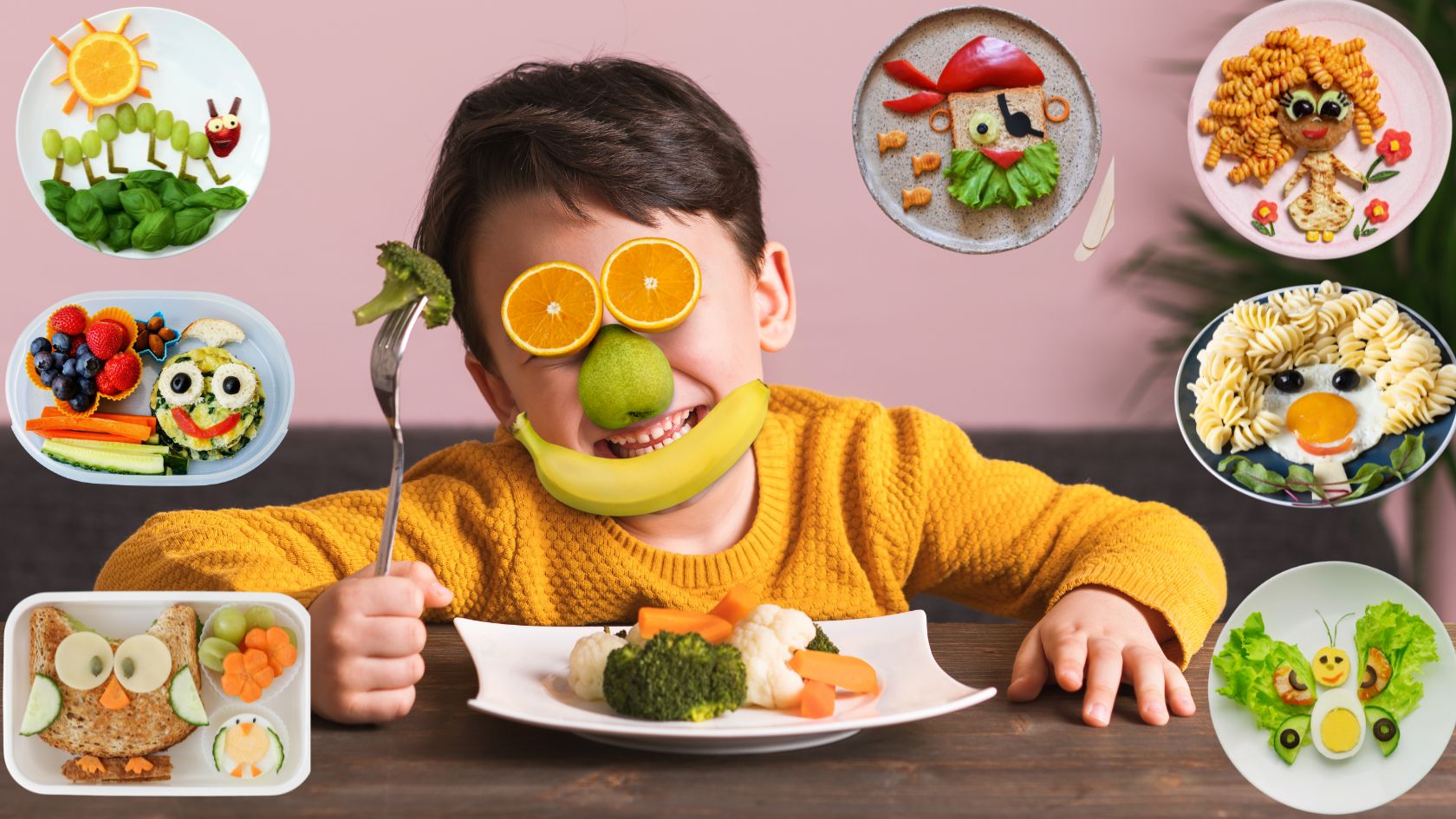
Eat Together Whenever Possible: Children model the eating habits of trusted adults.
Use Playful Presentation: Arrange food into fun shapes or smiley faces.
Keep Portions Small: A single pea on the plate is still an exposure.
For more ways to encourage confidence in kids, check out: Helping Your Kids Succeed: Encouraging Confidence & Independence.
6. When to Seek Additional Support

Most picky eating resolves naturally, but in some cases, outside help may be necessary.
Seek guidance if:
- The child has extreme food aversions (gagging, distress at touching certain foods).
- Their limited diet is causing nutritional deficiencies.
- There are signs of sensory processing challenges (common in neurodivergent children).
For more specialized childcare approaches, check out: Special Needs Nanny: Supporting Families & Children with Additional Needs.
Final Thoughts
Picky eating isn’t a battle that needs to be won. Rather, it’s a skill to be nurtured.
Introduce new foods gradually and without pressure.
Use storytelling, creativity, and involvement to make food fun.
Remain calm and patient as taste preferences evolve over time.
With the right techniques, mealtimes can become an exciting adventure instead of a daily struggle.
For strategies on helping children adjust to routines, check out: Routines and a Child’s Well-Being.
For exclusive childcare job opportunities, visit Jobs in Childcare and take your career to the next level!