How Nannies can Support Children with Eczema or Asthma
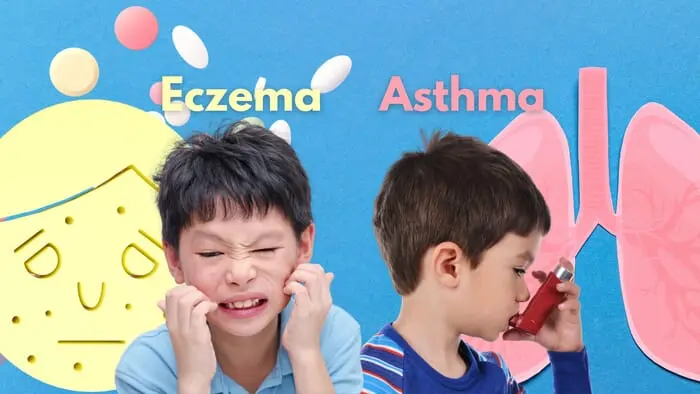
A practical support guide for professional nannies who care beyond cuddles to support children with eczema or asthma.
Working as a nanny in an elite private household is never “just childcare". It’s holistic care... the kind that balances discretion, structure, emotional intelligence, and often medical awareness.
When a child has eczema or asthma, your role becomes even more meaningful. You’re not simply applying cream or supervising an inhaler; you’re helping a child feel comfortable in their own skin (sometimes quite literally), confident in their breathing, and secure in their daily routine.
And while we all know that “children don’t come with manuals", children with chronic conditions often do come with care plans, and that’s where your professionalism shines.
This guide is designed to help nannies, parents and childcarers understand how to confidently support children with eczema or asthma while in their care and why these skills are increasingly valued in the private childcare sector.
For deeper insight on being indispensable, read When You’re More Than a Nanny: Understanding the Hidden Roles You Play.
Understanding the Conditions (Without Becoming the Family GP)
Before diving into the practical side, a quick refresher:
- Eczema (atopic dermatitis): A chronic skin condition that causes dry, itchy, inflamed patches. Flare-ups can be triggered by allergens, fabrics, stress, or weather.
- Asthma: A respiratory condition causing airway inflammation, leading to wheezing, coughing, breathlessness, or chest tightness. Triggers may include dust, pollen, exercise, cold air, or pets.
You are not expected to diagnose or replace medical professionals, but you are expected to follow care plans precisely and confidently.
In UHNW households especially, attention to detail is everything. (If you can remember which organic almond milk is for smoothies and which is for chia pudding, you can absolutely remember inhaler timing.)
1. Creating a Trigger-Free Environment
In VIP or UHNW homes, you may already work alongside housekeepers, estate managers, and security teams. Supporting a child with eczema or asthma means proactive communication with the household team.
For Eczema:
- Use fragrance-free detergents.
- Avoid wool or synthetic fabrics that irritate skin.
- Monitor temperature and humidity levels.
- Apply prescribed emollients consistently (even when skin looks clear).
For Asthma:
- Keep bedrooms dust-free.
- Monitor air quality.
- Be mindful of pets or pollen exposure.
- Ensure inhalers are accessible at all times.
Clear communication with household staff is key. You may even collaborate with private medical professionals or visiting consultants in VIP homes.
For more on working within fully staffed households, see our guide on working in rota and team-based childcare environments.
2. Following Medical Care Plans with Precision
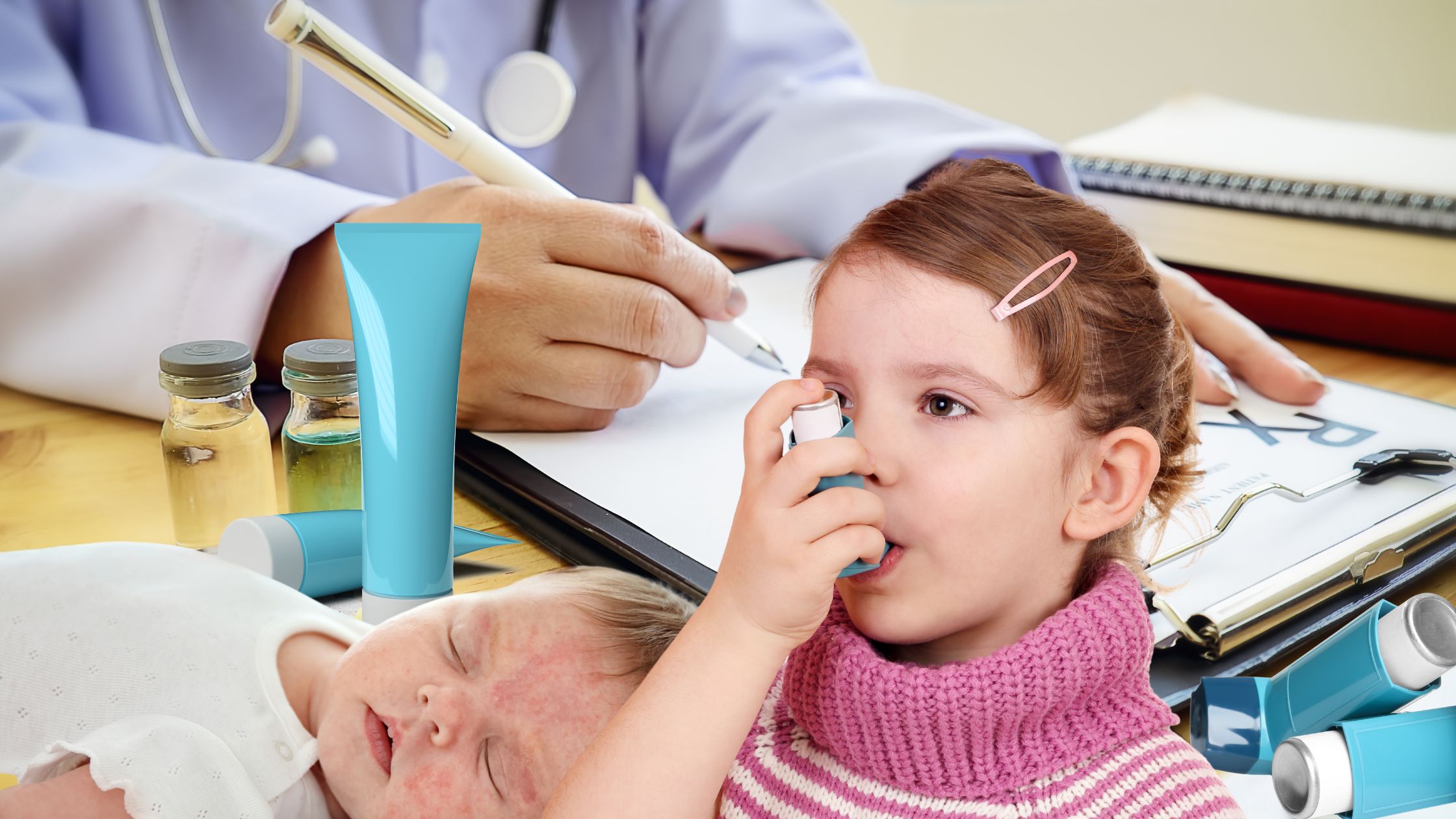
Professional nannies are increasingly expected to be confident managing health protocols. This may include:
- Administering prescribed creams or inhalers.
- Recording symptoms or flare-ups.
- Tracking triggers in a health journal.
- Attending medical appointments with parents.
In VIP settings, discretion is essential. Health matters are private. You are trusted with highly sensitive information, and that trust is a cornerstone of long-term placements.
If you’re looking to strengthen your profile, additional certifications in paediatric first aid or asthma awareness can significantly enhance your employability in specialist roles.
You may also enjoy our article on specialist nanny qualifications that increase your earning potential.
3. Supporting Emotional Wellbeing
Children with eczema may feel self-conscious about visible patches or scratching. Children with asthma may feel anxious about breathlessness, especially during sports.
Your role includes:
- Normalising their condition.
- Building confidence.
- Encouraging safe participation in activities.
- Advocating quietly when needed (e.g., explaining to a tutor or coach).
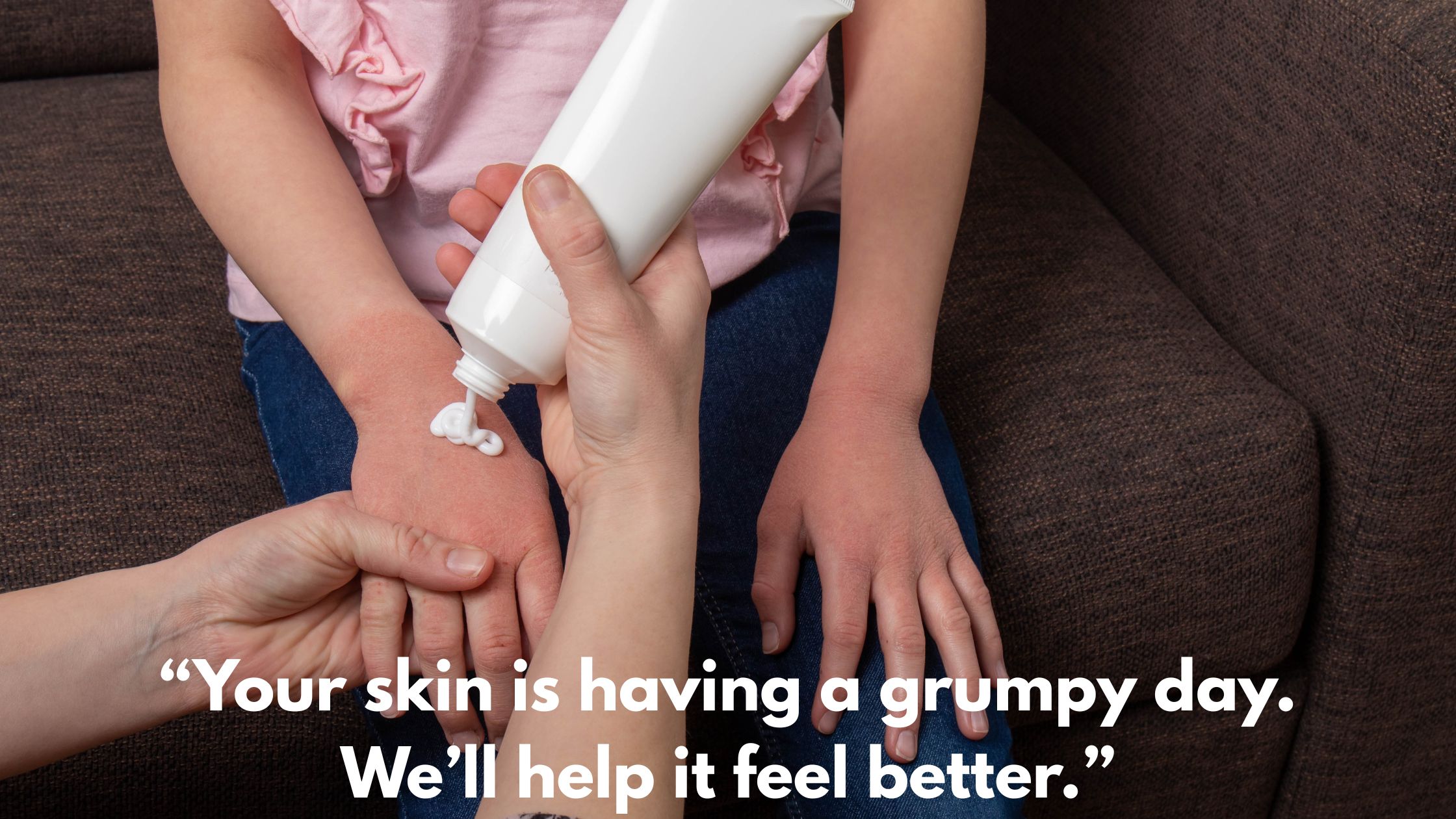
Sometimes the most powerful support is simple reassurance:
A little warmth goes a long way.
4. Managing Routines & Preventative Care
Consistency reduces flare-ups.
In high-profile households with travel schedules, multiple residences, and busy calendars, maintaining medical routines can be complex. As a professional nanny, you may:
- Pack climate-appropriate clothing.
- Carry medical supplies during travel.
- Monitor new environments for triggers.
- Adjust outdoor plans based on pollen counts.
This is where your organisational skills truly shine. Elite families value nannies who think ahead.
For more insights on age-related development, check out: Child Development Milestones: What Nannies Need to Know at Every Age.
5. Travel & International Placements
VIP and UHNW families often travel internationally. Changes in climate can impact both eczema and asthma.
For example:
- Dry climates may worsen eczema.
- High-pollution cities may trigger asthma.
- Air travel may require inhalers to be kept in hand luggage.
Before travel, confirm:
- Medication quantities.
- Access to medical care at destination.
- Travel insurance coverage for pre-existing conditions.
Professional preparation builds parental trust and often leads to long-term contracts.
If you’re interested in travel roles, read our guide to working as a travelling nanny for international families.
6. Communication with Parents: Calm, Clear & Professional
Parents of children with chronic conditions are often highly informed and understandably protective.
Strong communication means:
- Updating without alarming.
- Reporting facts, not assumptions.
- Respecting parental preferences.
- Staying solution-focused.
In UHNW environments, professionalism is everything. Keeping a Nanny Diary: Why It’s Essential When Working for Families
7. Career Benefits of Specialist Experience
From a career perspective, experience supporting children with eczema or asthma can:
- Increase your market value.
- Open doors to specialist placements.
- Strengthen your profile with agencies.
- Position you for long-term roles with medically complex households.
Medical confidence is highly valued, and families are increasingly seeking nannies with health-awareness skills.
If you’re building your CV, clearly list:
- Paediatric First Aid certification.
- Experience administering inhalers.
- Experience managing skincare routines.
- Collaboration with medical professionals.
Specialist skills = specialist salaries.
Why Agencies Value Health-Competent Nannies
Recruitment agencies working with VIP and high-profile families look for candidates who demonstrate:
- Discretion.
- Initiative.
- Emotional intelligence.
- Health awareness.
- Proactive risk management.
Being comfortable supporting eczema or asthma care signals maturity and capability...two highly sought-after traits in private childcare.
A Quick Word on Boundaries
Supporting medical needs does not mean overstepping. Always:
- Follow written care plans.
- Seek parental approval for changes.
- Avoid offering medical advice beyond your scope.
- Keep documentation secure.
Professional boundaries protect both you and the family.
Final Thoughts:
We say this again... You’re More Than “Just the Nanny”
In VIP and UHNW households, the nanny’s role is layered, nuanced, and deeply trusted.
Supporting a child with eczema or asthma is about more than creams and inhalers. It’s about comfort. Confidence. Stability. And knowing that someone capable is always nearby.
As one childcare professional once said:
“Children may not remember every activity you planned, but they’ll always remember how safe you made them feel.”
And sometimes, that safety starts with remembering the fragrance-free detergent.
In elite childcare, attentiveness isn’t optional; it’s exceptional. Developing confidence around health conditions can be a powerful differentiator when working as a nanny within a private household.
If you’re looking to advance your nanny career, check out Jobs in Childcare for the latest private childcare opportunities!
Ready to find your next rota nanny role? Browse current positions posted by specialist agencies with UHNW families across the UK, UAE and Europe.
Browse Rota Nanny Jobs →